
Damages Recoverable in a Personal Injury Action
Salley Law Firm • February 28, 2019
What are "damages"?
If you have been injured by the negligent conduct of another individual, you may be entitled to recover “damages.” Damages are simply a monetary compensation awarded by a court in a civil action to a person who has suffered loss due to another person’s wrongful conduct.
The purpose of awarding damages is to “make the injured party whole again.” This means restoring the individual to as close as possible as they were before the harm was inflicted by the wrongful conduct.
Generally, there are several different types of damages. The list below is a brief description of the categories of damages available in a personal injury action but is not an exhaustive list as the law of damages is very complex and thus it is important that you consult with an attorney if you have been injured due to someone else’s negligence.
NOMINAL DAMAGES
Nominal damages are minimal, token damages awarded to acknowledge that a legal right has been violated even though there may have not been actual, monetary loss. Nominal damages are recovered when an injured party has successfully established a right has been violated by a negligent party but cannot prove a loss through evidence for which they should be compensated. Further, in order to receive punitive damages (discussed below), one must be awarded nominal damages first.
COMPENSATORY DAMAGES
Compensatory damages are also called Actual Damages. These are the damages awarded to the injured party for the real or actual costs associated with making the injured party whole again. These damages are based on what losses the injured party would have avoided had the incident not occurred.
PECUNIARY DAMAGES
Pecuniary damages are a distinct set of compensatory damages. These are the damages that can be exactly calculated and measured in terms of money. Pecuniary damages are quantifiable monetary losses particular to the circumstances of the case due to the negligence of another. Examples of these damages include:
· Medical expenses and bills
· Lost wages
· Lost future income/earning potential
· Property damage and repair bills
GENERAL DAMAGES
General damages are awarded to an injured party for the losses that cannot be quantified. These non-monetary losses include intangible elements such as:
· Mental distress
· Pain and suffering
· Anguish
· Grief
· Humiliation
· Reduction in quality of life
· Limitations to engage in daily activities
PUNITIVE DAMAGES
Punitive damages are not awarded to compensate the injured party for the injury or loss suffered but to punish the negligent party for their wrongful conduct. Punitive damages also seek to deter the negligent party from committing breaches of the applicable standard of due care in the future and to put the general public on notice that such negligent conduct is not acceptable in a civil society. In South Carolina Code Section 15-32-530, an award of punitive damages must not “exceed the greater of three times the amount of compensatory damages awarded to each claimant entitled thereto or the sum of five hundred thousand dollars.”
ADDITIONAL MATTERS TO CONSIDER ON DAMAGE AWARDS
STATUTE OF LIMITATIONS
- Per the South Carolina Code of Laws, Section 15-3-520 provides for a three year statute of limitations on personal injury actions. This does not mean to wait until three years after your accident to contact a lawyer!! Should you be in an accident, it is best to contact a personal injury lawyer immediately. A lawyer will be able to help advise you on getting your damages taken care of in the most efficient manner so that you may begin recovering.
COMPARATIVE NEGLIGENCE
- Even if you may have contributed to the accident, you should still consult with an experienced personal injury attorney to see if you might be able to recover part of your damages. South Carolina uses a comparative fault system. This simply means that your award of damages may be reduced by the percentage of fault that you contributed to the accident, as long as you were less than 51% responsible. Thus, if you were 25% at fault for the accident, your award will be reduced by 25%. However, if you were more than 51% responsible, you will recover nothing. The good news is that this type of fault system only matters when and if your case goes to trial. This is why it is so important to consult with and have an attorney involved so that they can negotiate a more just settlement for you.
Understanding your rights is essential to protecting yourself, your family, and your property. If you have been injured by someone else’s recklessness, it is best to consult with an attorney about the specific circumstances of your injury.
Please know that our firm works on a contingency basis in personal injury actions. This means that we will not be compensated unless we get a recovery for you. Thus, there are no up-front or out-of-pocket costs for you. After consulting with us, if we believe that your case has potential for success and you want us to represent you, only then will we enter into an agreement that identifies the percentage of compensation and costs our firm will retain in the event of your successful settlement.
If you would like to speak to one of our experienced attorneys about any injury you have sustained, please do not hesitate to call us at 803-356-5000 or toll free at 1-800-321-6125.
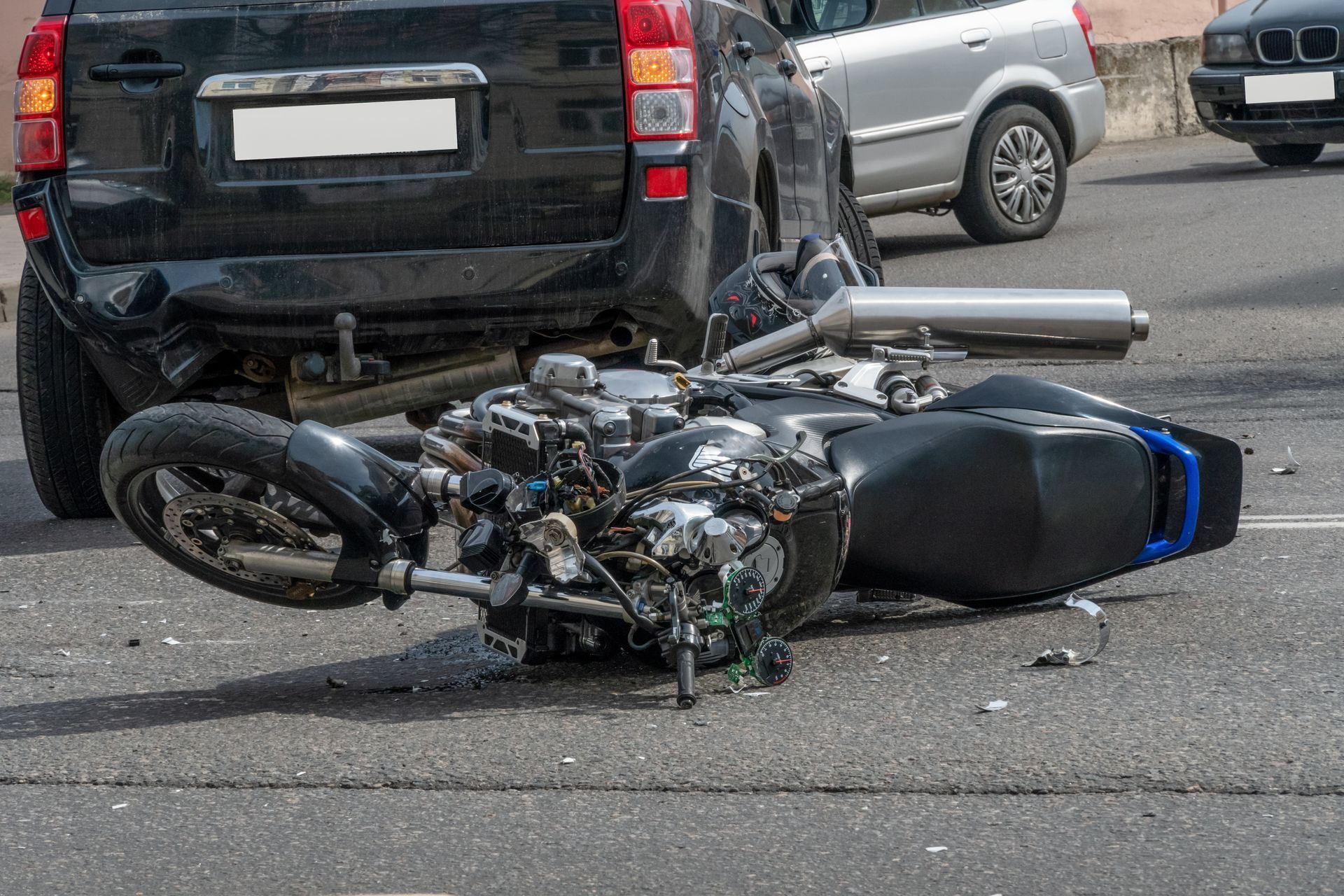
Learn the steps to take after a motorcycle crash and when to call a motorcycle accident lawyer in Lexington, SC. Call Salley Law Firm, P.A. at (803) 356-5000!

Know your rights before filing. A Personal Injury Lawyer at Salley Law Firm, P.A. serving Lexington, SC, offers free consultations and no fee without recovery.
Hurt in an accident? Learn how SC's 51% bar rule affects your claim. Call Salley Law Firm, our personal injury lawyer in Lexington, SC, at (803) 356-5000.
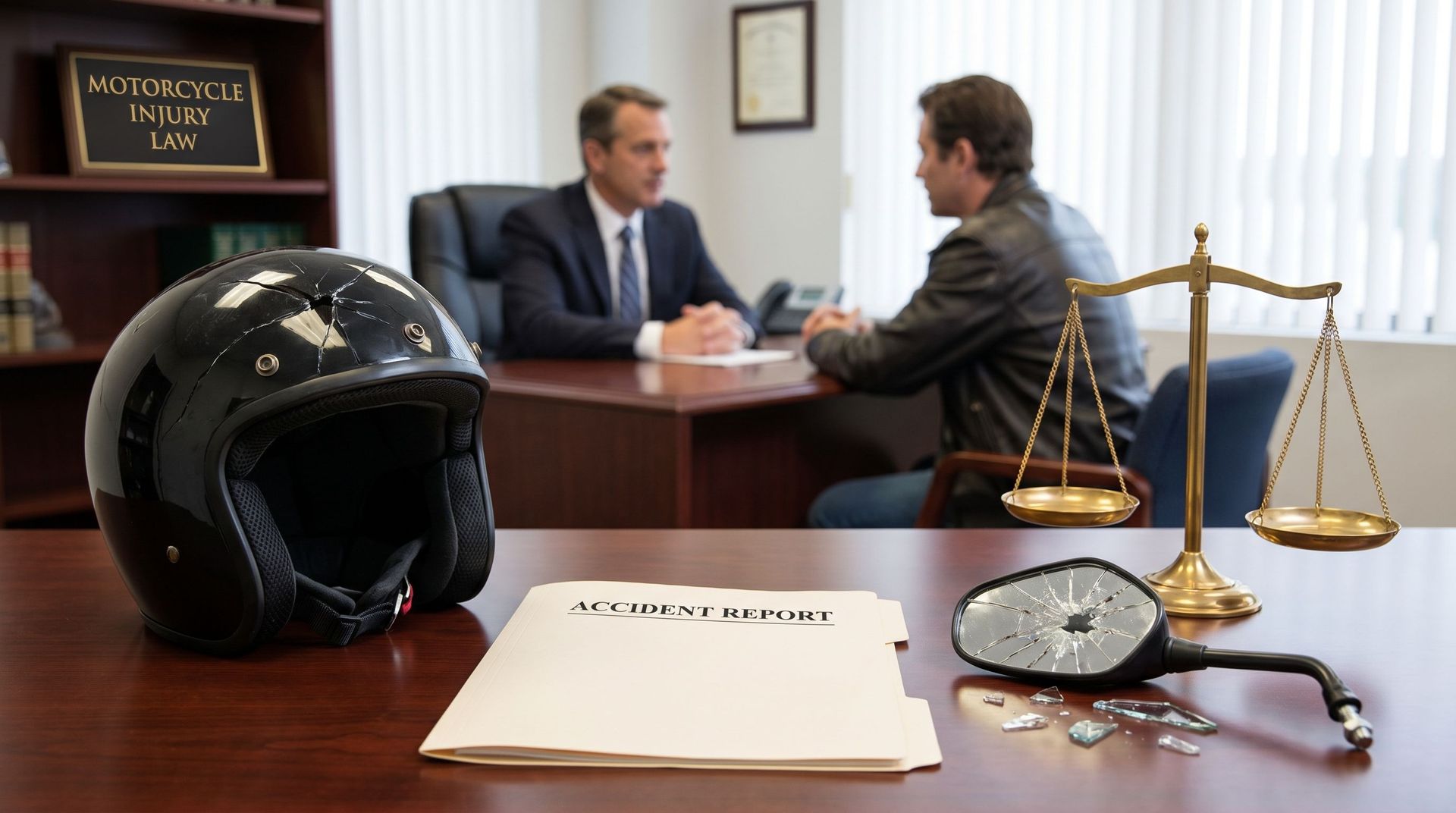
Salley Law Firm, P.A. helps Lexington, SC riders understand when a motorcycle accident lawyer can make a real difference. Free consultation, no fee unless you recover. Call (803) 356-5000.

Hurt at work in Lexington, SC? A workers compensation attorney at Salley Law Firm, P.A. explains workers' comp rules before you file. Click here.
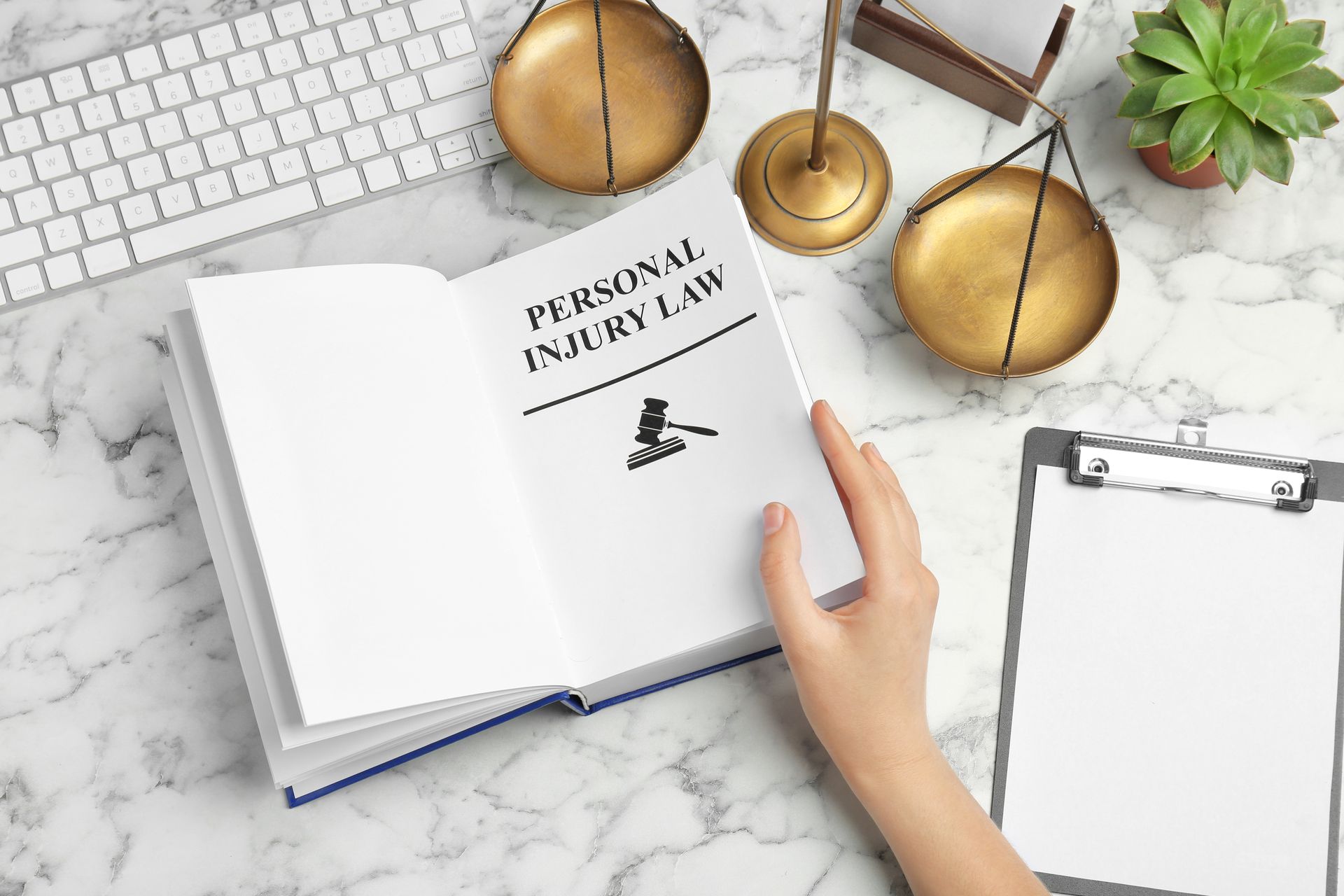
Discover why hiring a personal injury lawyer in Lexington, SC, helps your case. Salley Law Firm, P.A. guides local clients. Click here for expert help!

Contact Salley Law Firm, P.A., your trusted car accident lawyer in Lexington, SC. Contact us today for a free consultation and protect your rights.

Salley Law Firm, P.A. offers expert advice on what to do after a car crash in Lexington, SC. Learn the steps to protect your rights and get the compensation you deserve. Call us now.

Salley Law Firm, P.A. explains when to contact an automobile accident lawyer in Red Bank, SC. Protect your rights and ensure fair compensation. Call us for a consultation today.
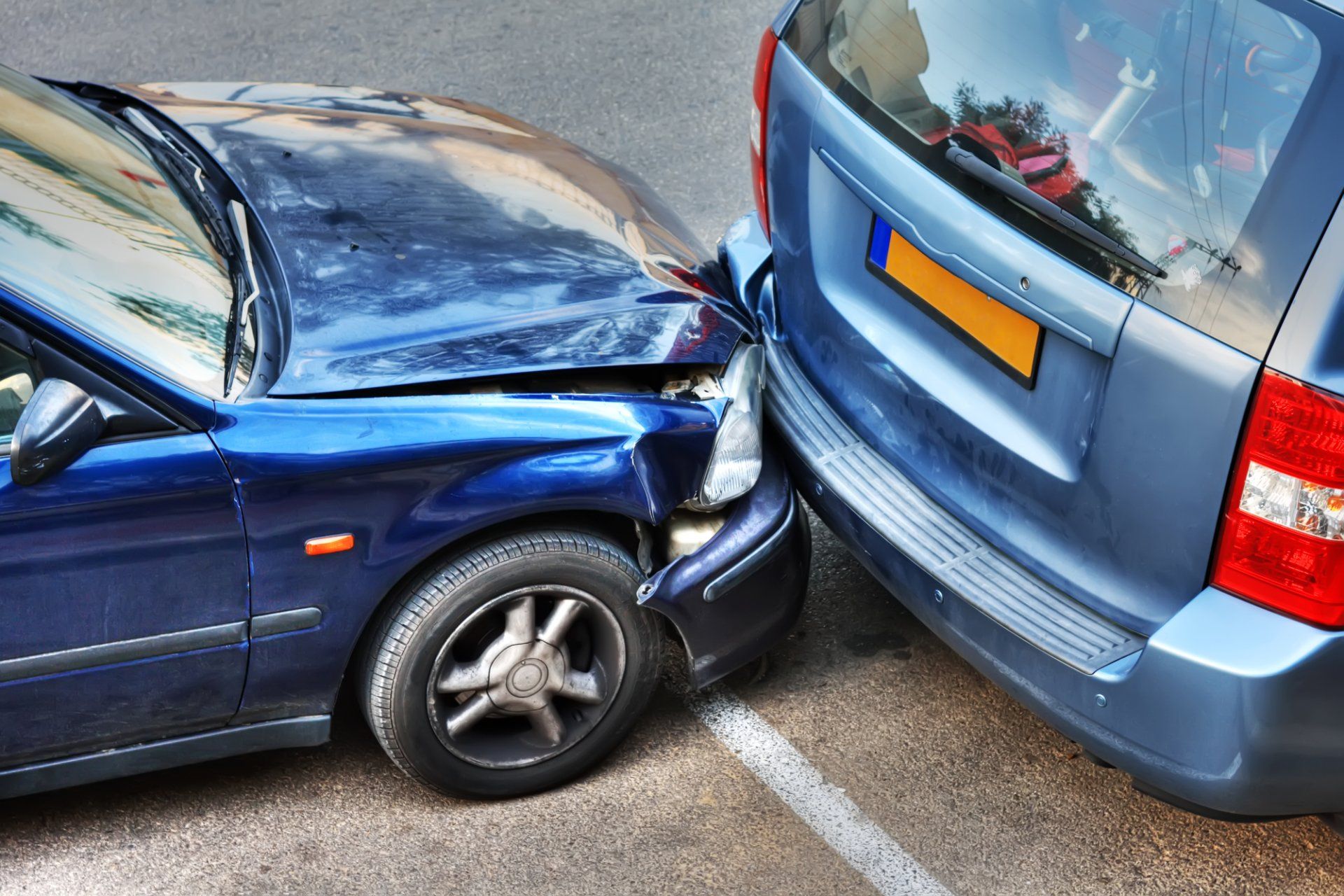
Salley Law Firm, P.A. provides expert witness services for auto accident cases in Lexington, SC. Strengthen your claim with professional testimony. Contact us for a free consultation.
