
I fell on someone else's property. Don't they have to pay?
Nancy Salley • May 30, 2018
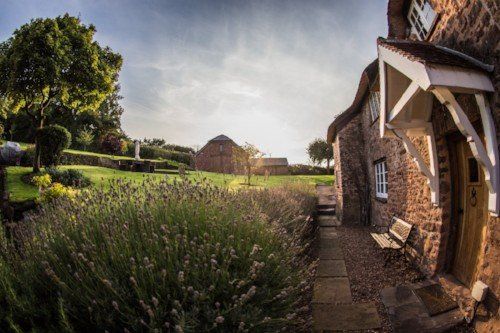
Many people mistakenly believe that if they fall on someone else’s property and hurt themselves, the property owner/occupier automatically becomes responsible for their medical bills. This is not true. Just falling on someone’s property alone does not make the property owner/occupier responsible for the injuries and related medical expenses. For the property owner/occupier to be legally responsible for injuries on their property there must be some act of negligence by the property owner/occupier that breaches their duty to the person injured. In the best of scenarios, a property owner/occupier may have insured their premises with medical payment insurance, which covers an injury to a person on their property regardless of fault. However, most property owners/occupiers do not keep this type of insurance. Whether a property owner/occupier is responsible for the injuries that occur to people on their property greatly depends on the status or classification of the person on the property and the corresponding duty owed by the property owner/occupier.
Generally, there are four classifications of people who enter onto a property: 1) invitees, 2) licensees, 3) trespassers, and 4) children. Each of these classifications is owed a different duty by a property owner/occupier.
Invitees are people who enter upon property with the consent and for the benefit of the property owner/occupier. The most common example of this is someone shopping at a store. A property owner/occupier has a duty of due care to discover conditions that risk harm to those coming onto the property. The property owner/occupier also has a duty to warn of dangerous conditions, to take reasonable steps to correct the condition, and avoid unreasonable risks. Take the example of someone who slips on water on the floor in the store. The water being on the floor itself is not sufficient to make the property owner/occupier negligent. First, it must be shown that the property owner/occupier put the water on the floor or knew or should have known the water was on the floor. In proving that a property owner/occupier “should have known” water was on the floor, it needs to be shown the water was on the floor for an amount of time that would be expected for a reasonable property owner/occupier to have discovered it if they were maintaining their duty of due care. Second, it must be shown that the property owner/occupier did not take reasonable steps to warn or correct the condition. For example, if the property owner/occupier failed to put out wet floor signs in the area and did not get the water up, then they would be negligent and ultimately responsible for the injuries sustained.
Licensees are people who enter onto property for their own benefit with the property owner’s/occupier’s permission. The most commons example of this is a person visiting a friend’s home. The duty of the property owner/occupier to a licensee is to warn of concealed dangerous conditions or activities which the licensee would not be expected to discover. An example would be a hole in the yard that is covered over by grass. The property owner/occupier does not have to fix the hole, only warn that the hole is there. A person’s status as a licensee gives the property owner/occupier much less of a duty than if the person was an invitee. This means that a licensee has much less chance of making a recovery when injured on another’s property.
A trespasser is owed very little duty by a property owner/occupier, as he is there without permission. A property owner/occupier is only required not to intentionally injure the trespasser, or act in a willful or wanton way that would injure a trespasser.
Children are treated with special rules due to their inability to understand/appreciate dangers or that their entering onto someone’s property is wrong. A property owner/occupier owes a duty of due care when there is a condition on their property which is unreasonably dangerous to children. An example may be a swimming pool which is not fenced in to keep children from easily accessing it. All of the facts and circumstances would need to be considered to determine what steps need to be taken to meet the standard of due care.
Understanding the above listed classifications of people entering onto property is only the beginning of understanding the right to recovery when injured on another’s property. There are exceptions and special rules depending upon the use of property or who owns the property. If you have been injured on someone else’s property, it is best to consult with an attorney about the specific circumstances of your injury.
If you would like to speak to one of our attorneys about being injured on another person’s property or regards to any injury you have sustained, please do not hesitate to call us at 803-356-5000 or toll free at 1-800-321-6125.
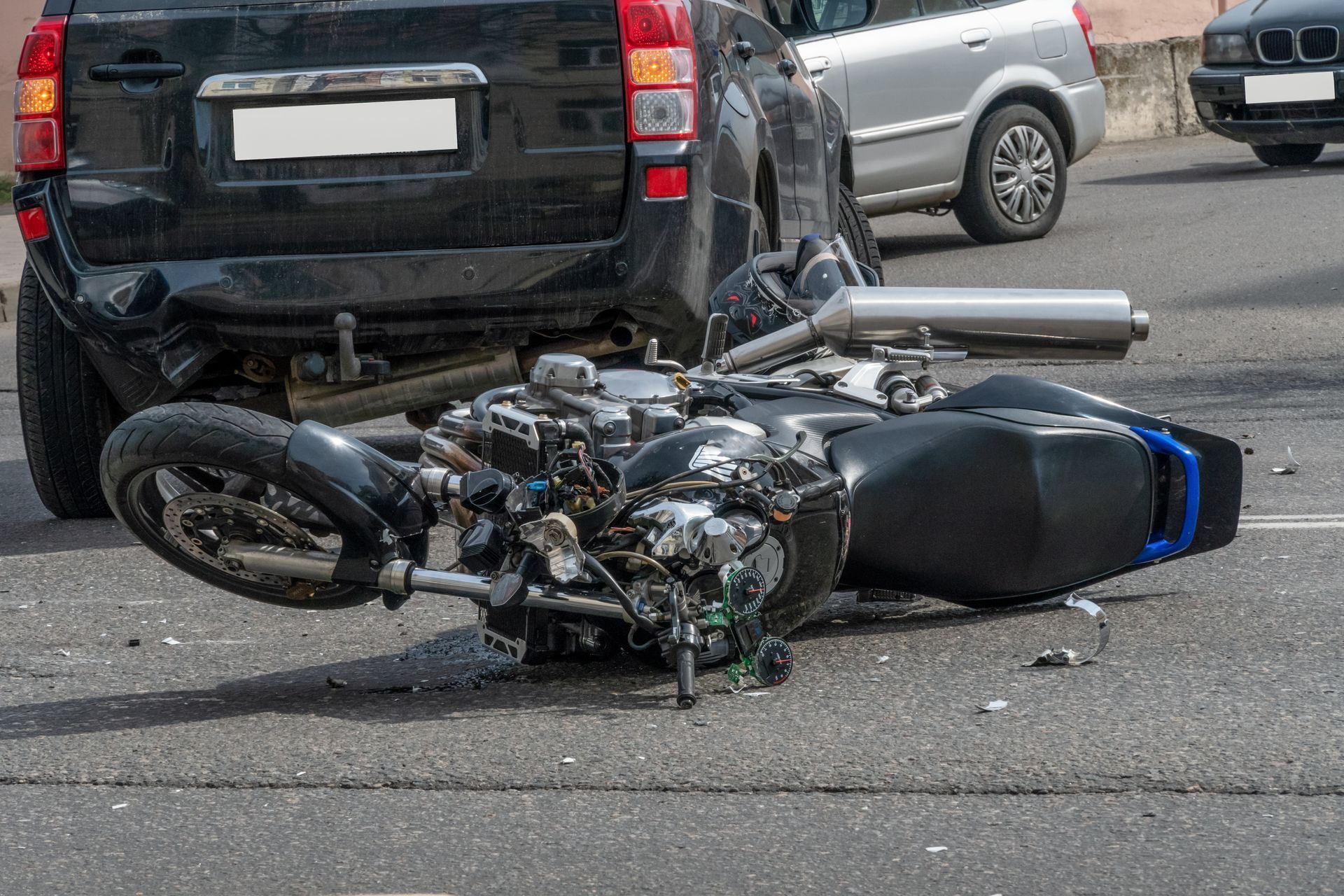
Learn the steps to take after a motorcycle crash and when to call a motorcycle accident lawyer in Lexington, SC. Call Salley Law Firm, P.A. at (803) 356-5000!

Know your rights before filing. A Personal Injury Lawyer at Salley Law Firm, P.A. serving Lexington, SC, offers free consultations and no fee without recovery.
Hurt in an accident? Learn how SC's 51% bar rule affects your claim. Call Salley Law Firm, our personal injury lawyer in Lexington, SC, at (803) 356-5000.
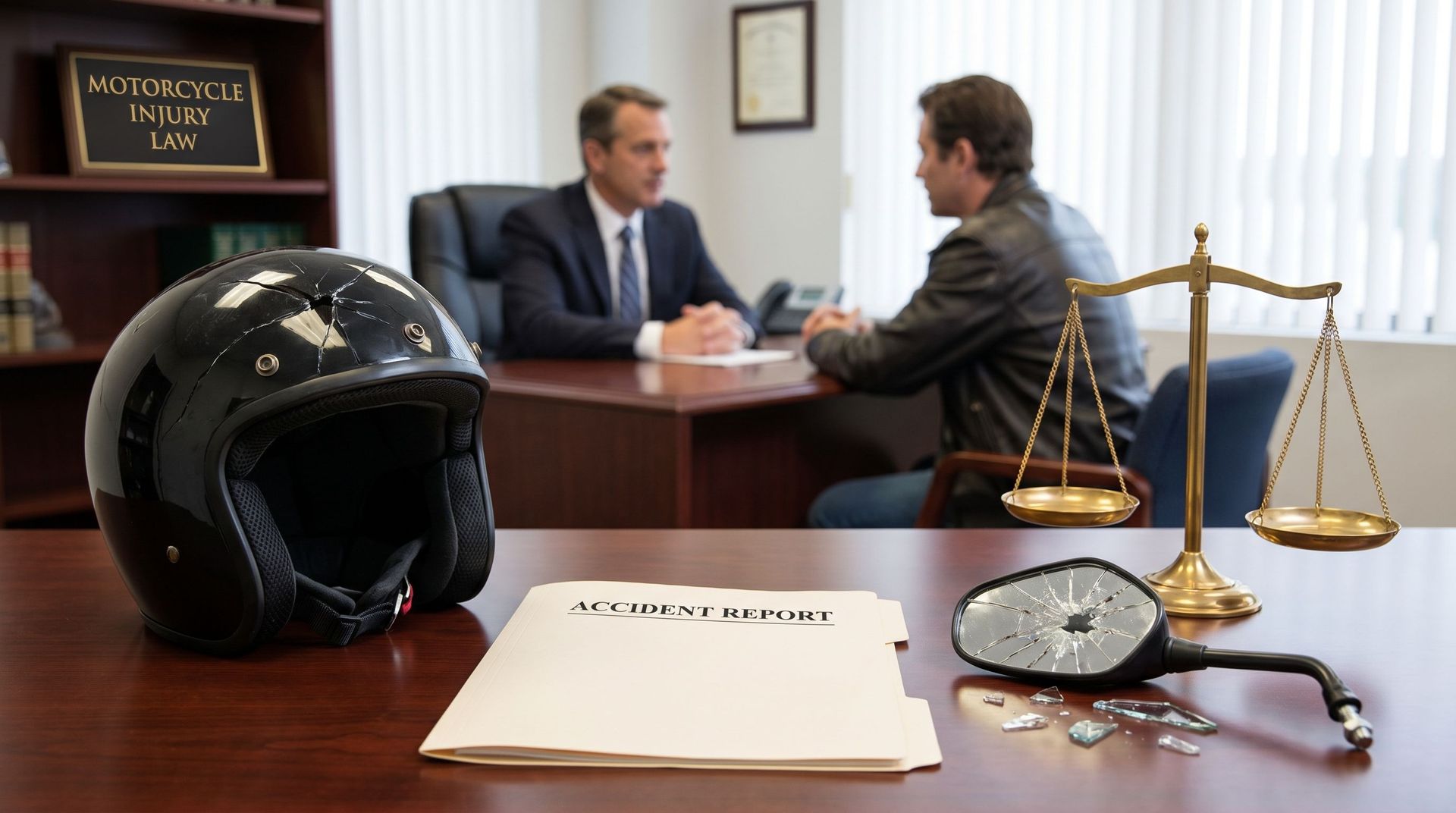
Salley Law Firm, P.A. helps Lexington, SC riders understand when a motorcycle accident lawyer can make a real difference. Free consultation, no fee unless you recover. Call (803) 356-5000.

Hurt at work in Lexington, SC? A workers compensation attorney at Salley Law Firm, P.A. explains workers' comp rules before you file. Click here.
Discover why hiring a personal injury lawyer in Lexington, SC, helps your case. Salley Law Firm, P.A. guides local clients. Click here for expert help!

Contact Salley Law Firm, P.A., your trusted car accident lawyer in Lexington, SC. Contact us today for a free consultation and protect your rights.

Salley Law Firm, P.A. offers expert advice on what to do after a car crash in Lexington, SC. Learn the steps to protect your rights and get the compensation you deserve. Call us now.

Salley Law Firm, P.A. explains when to contact an automobile accident lawyer in Red Bank, SC. Protect your rights and ensure fair compensation. Call us for a consultation today.
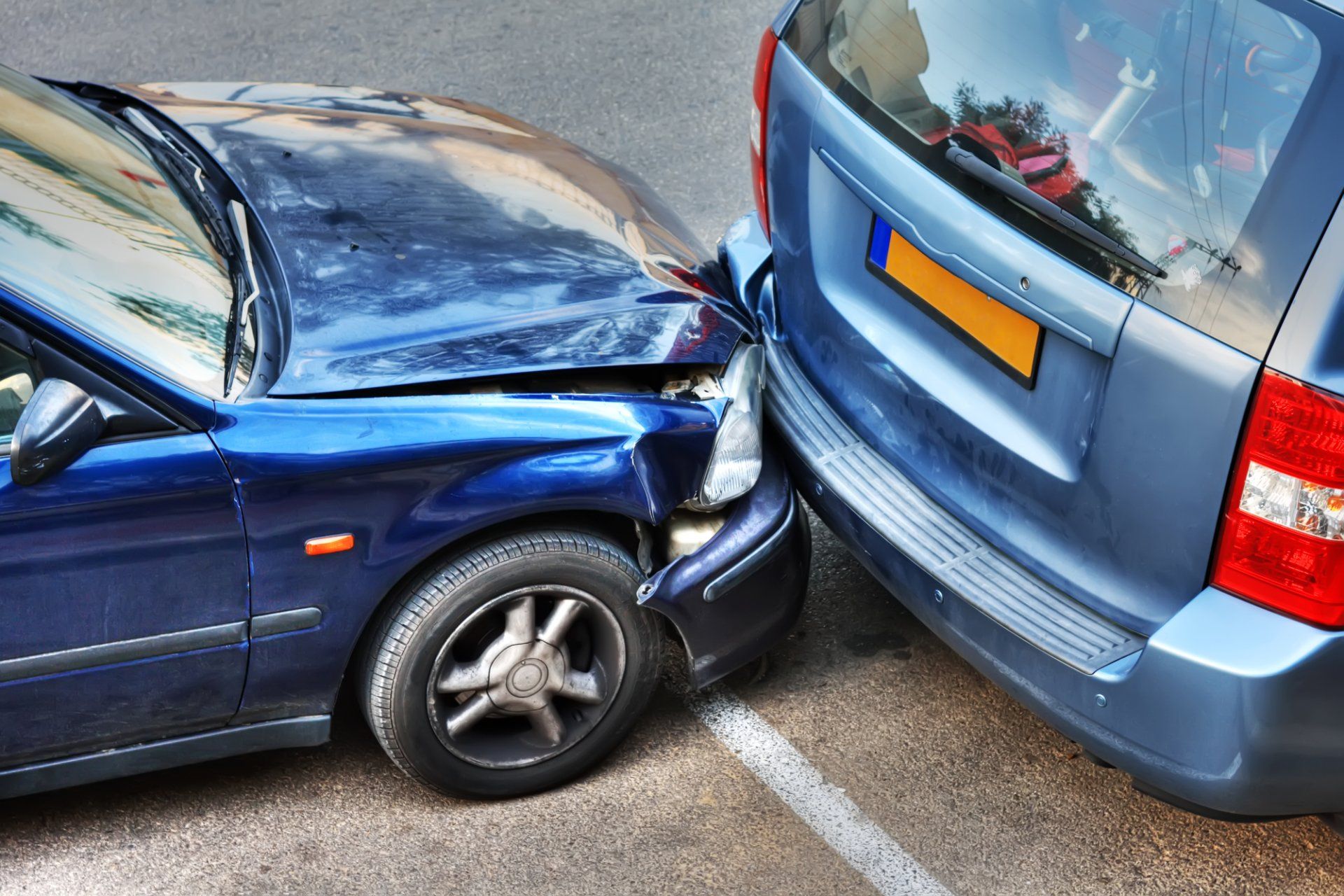
Salley Law Firm, P.A. provides expert witness services for auto accident cases in Lexington, SC. Strengthen your claim with professional testimony. Contact us for a free consultation.
