
Should I use my health insurance when I have been injured in an auto accident or by the negligence of another?
Nancy Salley • April 10, 2018

One of the biggest concerns of people that have been hurt is paying for the substantial medical bills they incur. The hope of most people that are injured in an auto accident or by the negligence of another person is that the at-fault driver or negligent person (hereinafter “at-fault party”) will have liability insurance to cover all of the medical expenses that they incur. Some people believe that their own personal insurance coverages should not have to pay anything, since they were not at fault, and that the at-fault party’s liability insurance should be the only one to pay. However, there are reasons that a person, who has been injured, either in an auto accident or by the negligent act of another, should use their personal health insurance to help pay medical bills.
One reason is that the at-fault party may have no or insufficient liability insurance coverage. While we wish that everyone carried insurance to cover injuries they cause to others, many people do not. This may be because they cannot afford it, cannot obtain it (due to previous acts or injuries to others) or simply are not responsible enough to do the right thing. Even when people do the right thing and obtain coverage, the policy they purchase can have exclusions, which deny coverage under certain facts or circumstances. Also, sometimes the amount of coverage that the at-fault party is able to afford cannot cover the medical expenses that come with substantial injuries. Using personal health insurance will help to protect the injured party in these circumstances. It may be the only source to pay the medical bills incurred if there is no liability insurance coverage. While the injured party will still have to pay co-pays, at least a portion of the bills will be paid by the personal health insurance provider. It is also possible that a portion of the bills will be written off due to the contract between the health care provider and the health insurance.
In the case of insufficient insurance, using health Insurance can help to maximize the benefits of what liability insurance coverage there is. Often times, the health insurance will have a subrogation interest
in the liability insurance proceeds (meaning a right to be reimbursed what they have paid for injuries caused by the accident). However, many times an injured party can negotiate with their personal health insurance on how much they have to pay back or even request that their personal health insurance waive their subrogation interest. There are a number of factors that help determine whether the health insurance will take a reduction or how much of a reduction in their subrogation interest they will take. Factors such as the type of plan, the amount of liability insurance available and recovered, the amount of outstanding medical bills, the extent of injuries and damages, and other various factors depending on each individual case.
Another reason an injured party should use their personal health insurance is to maximize the compensation they receive even when there is substantial liability insurance coverage. As previously discussed, often when personal health insurance pays a medical bill, they only pay a portion of the bill and another portion will be written off due to contractual write-offs. South Carolina has the collateral source rule. The collateral source rule
prohibits evidence that an injured party has received compensation from a source other than the at-fault party. Personal health insurance is a collateral source. Thus, an at-fault party cannot claim the benefit of payments by personal health insurance to avoid their responsibility to fully compensate the injured party for the injuries and damages they have caused. Therefore, the injured party can claim the full amount of their medical bills against an at-fault party even though a portion or all of the medical bills have been paid by their personal health insurance. Their personal health insurance may have a subrogation interest; however, as stated earlier, many times the amount the personal health insurance actually gets reimbursed can be negotiated. Also, the injured party will benefit from the contractual write-offs, as they will be claiming the full medical bill against the at-fault party and the amounts written off are not owed to the health insurance or the medical provider. Thus, the injured party lowers the amounts that ultimately have to be paid to medical providers and their personal health insurance, which allows a greater recovery for the injured party.
One thing to watch for is health care providers who say that the personal health insurance coverage does not apply or will not pay. Personal health insurance most often will pay for accident related injuries. Also, many health care providers are contractually required to submit bills to the personal health insurance. There may be reasons for personal health insurance to deny coverage or medical care providers to delay submission of bills to personal health insurance. If these types of issues arise, it is best to contact an attorney to know and better understand your rights.
If you have questions regarding being injured or using your health insurance to pay accident related medical bills, please do not hesitate to call us at 803-356-5000 or toll free at 1-800-321-6125.

Learn the steps to take after a motorcycle crash and when to call a motorcycle accident lawyer in Lexington, SC. Call Salley Law Firm, P.A. at (803) 356-5000!

Know your rights before filing. A Personal Injury Lawyer at Salley Law Firm, P.A. serving Lexington, SC, offers free consultations and no fee without recovery.
Hurt in an accident? Learn how SC's 51% bar rule affects your claim. Call Salley Law Firm, our personal injury lawyer in Lexington, SC, at (803) 356-5000.
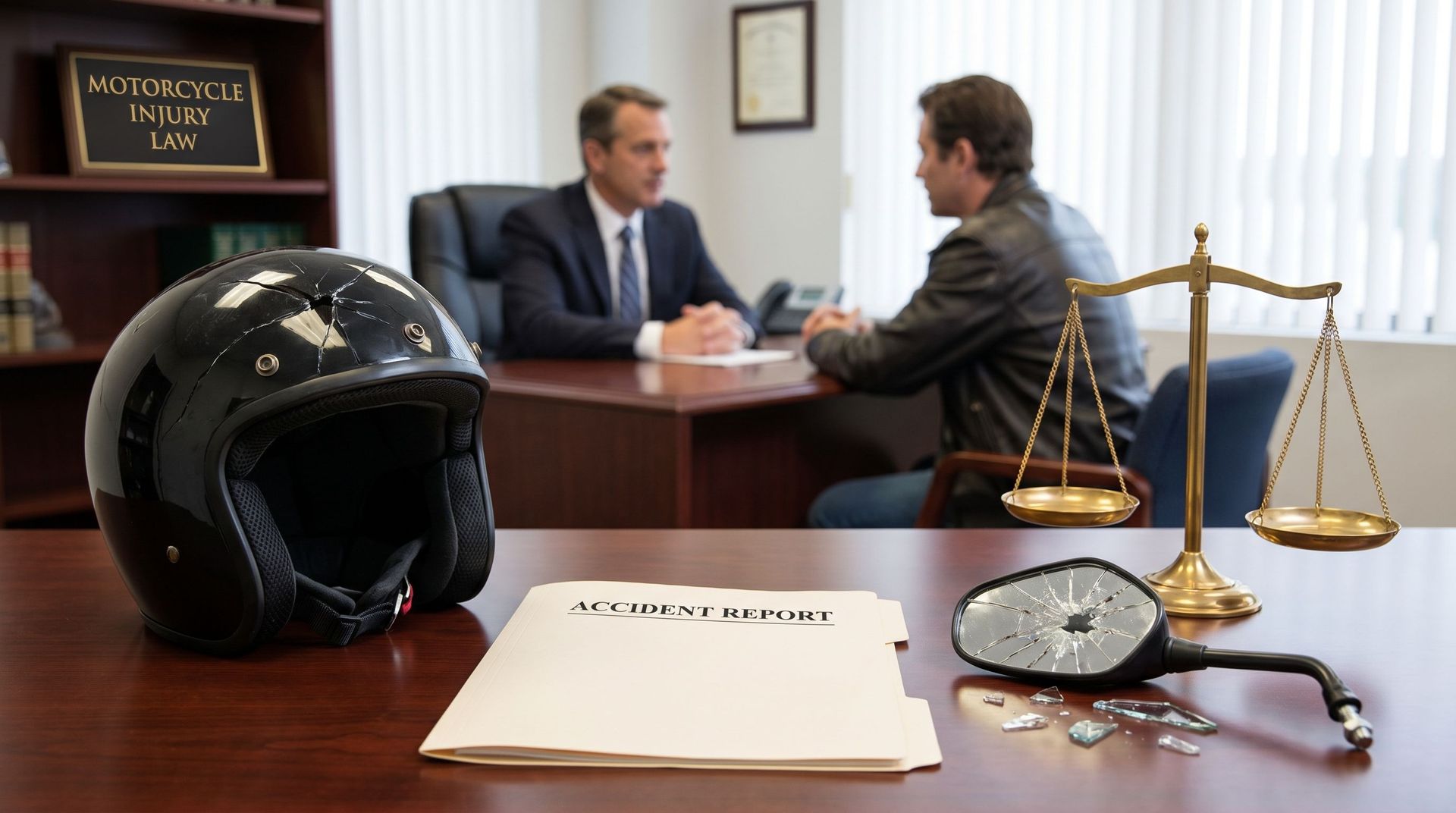
Salley Law Firm, P.A. helps Lexington, SC riders understand when a motorcycle accident lawyer can make a real difference. Free consultation, no fee unless you recover. Call (803) 356-5000.

Hurt at work in Lexington, SC? A workers compensation attorney at Salley Law Firm, P.A. explains workers' comp rules before you file. Click here.
Discover why hiring a personal injury lawyer in Lexington, SC, helps your case. Salley Law Firm, P.A. guides local clients. Click here for expert help!

Contact Salley Law Firm, P.A., your trusted car accident lawyer in Lexington, SC. Contact us today for a free consultation and protect your rights.

Salley Law Firm, P.A. offers expert advice on what to do after a car crash in Lexington, SC. Learn the steps to protect your rights and get the compensation you deserve. Call us now.

Salley Law Firm, P.A. explains when to contact an automobile accident lawyer in Red Bank, SC. Protect your rights and ensure fair compensation. Call us for a consultation today.

Salley Law Firm, P.A. provides expert witness services for auto accident cases in Lexington, SC. Strengthen your claim with professional testimony. Contact us for a free consultation.
