
What are punitive damages in South Carolina?
Nancy Salley • October 9, 2017

Punitive damages are damages given or awarded to an injured person that punish an at-fault party for reckless, willful, wanton or malicious actions or inactions. By punishing an at-fault party for such action or inaction, the at-fault party and others are discouraged in acting similarly in the future. Punitive damages are not available for every case, such as cases that involve simple negligence. Punitive damages can be awarded when an at-fault party is negligent per se in violating a statute or when an at-fault party is reckless, willful, wanton/malicious, or grossly negligent in their actions or inactions. To recover punitive damages, the conduct of the at-fault party must be proven by clear and convincing evidence. Common examples of conduct that can lead to punitive damages are drunk driving or texting while driving. Both of these examples are seen by most as reckless, willful, and wanton. Further, both of these examples are violation of South Carolina statutes and thus are negligence per se.
Punitive damages cannot be recovered by a party who has not sustained actual or nominal damages. In other words, a party must sustain some violation of a right that entitles them to damages, actual or nominal, before they have the ability to pursue punitive damages. It is not required that a party sustain an injury to their person to have a right to pursue punitive damages. Instead, punitive damages can be recovered for an injury to the person or to their property. For example, if someone was hit by a drunk driver and only their car was damaged, they can still seek punitive damages against the drunk driver.
S.C. Code Ann. §15-32-530 puts general limitations on the amount of punitive damages that may be recovered from an at-fault party. However, there are also exceptions to these limitations based upon the actions of the at-fault party. If you would like to speak to one of our attorneys about being injured by someone who may have acted recklessly, willfully, wantonly or maliciously, please do not hesitate to Salley Law Firm, P.A. at (803) 356-5000 or toll free at (800) 321-6125.
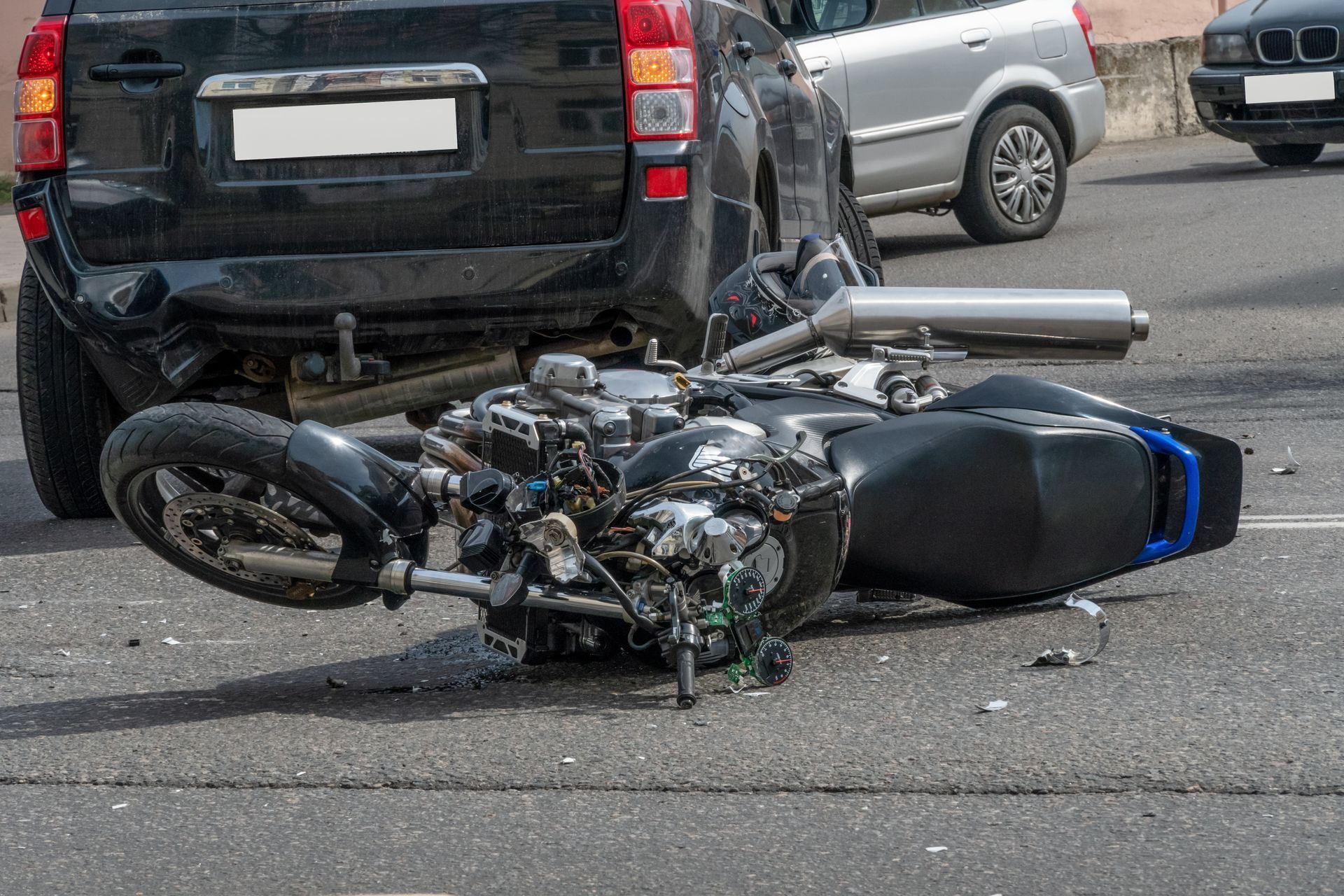
Learn the steps to take after a motorcycle crash and when to call a motorcycle accident lawyer in Lexington, SC. Call Salley Law Firm, P.A. at (803) 356-5000!

Know your rights before filing. A Personal Injury Lawyer at Salley Law Firm, P.A. serving Lexington, SC, offers free consultations and no fee without recovery.
Hurt in an accident? Learn how SC's 51% bar rule affects your claim. Call Salley Law Firm, our personal injury lawyer in Lexington, SC, at (803) 356-5000.
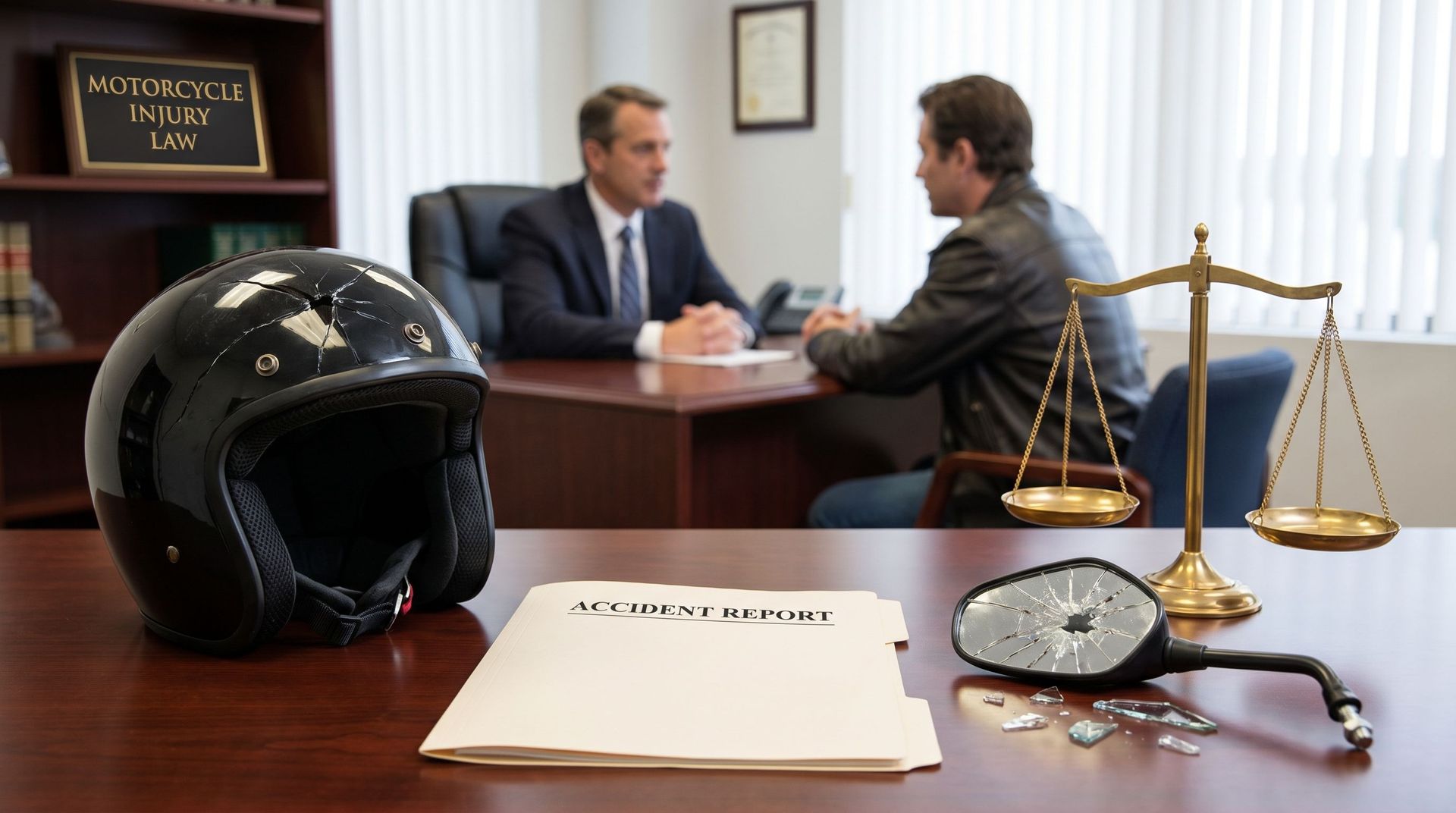
Salley Law Firm, P.A. helps Lexington, SC riders understand when a motorcycle accident lawyer can make a real difference. Free consultation, no fee unless you recover. Call (803) 356-5000.

Hurt at work in Lexington, SC? A workers compensation attorney at Salley Law Firm, P.A. explains workers' comp rules before you file. Click here.
Discover why hiring a personal injury lawyer in Lexington, SC, helps your case. Salley Law Firm, P.A. guides local clients. Click here for expert help!

Contact Salley Law Firm, P.A., your trusted car accident lawyer in Lexington, SC. Contact us today for a free consultation and protect your rights.
Salley Law Firm, P.A. offers expert advice on what to do after a car crash in Lexington, SC. Learn the steps to protect your rights and get the compensation you deserve. Call us now.

Salley Law Firm, P.A. explains when to contact an automobile accident lawyer in Red Bank, SC. Protect your rights and ensure fair compensation. Call us for a consultation today.
Salley Law Firm, P.A. provides expert witness services for auto accident cases in Lexington, SC. Strengthen your claim with professional testimony. Contact us for a free consultation.
