
Does workers' compensation cover a pre-existing condition that is made worse by a work related accident
Nancy Salley • December 20, 2017

In Mullinax v. Winn-Dixie Stores, 318 S.C. 431, 458 S.E.2d 76 (Ct. App. 1995), the South Carolina Court of Appeals held that a pre-existing condition that is activated, aggravated or accelerated by a work-related injury is compensable under workers’ compensation. Basically, an employer takes an employee as he finds him or her. However, it is the injured worker that must prove the activation, aggravation or acceleration of the pre-existing condition is causally related to the work injury. Just because a pre-existing condition becomes worse after a work injury does not mean the worsening is causally related to the work injury. It is required that a doctor be able to testify to a reasonable degree of medical certainty that the work injury caused the activation, aggravation or acceleration of the pre-existing injury. For a doctor to be able to do this, they must be provided all the facts and evidence regarding the injury and the pre-existing condition. An experienced workers’ compensation attorney can greatly help with making sure a doctor has all relevant information and can also make sure to address all the details in how the pre-existing condition has worsened since the work-related injury.
A person who has a pre-existing condition at the time of his employment does need to carefully review the job application and hiring paperwork. Failing to disclose a known pre-existing condition when the employer specifically inquires in the application could be a bar to compensability under workers’ compensation. If you believe that you may have an issue with compensability due to failure to disclose a pre-existing condition in your application, then you should immediately contact an attorney to help determine your rights.
If you would like to speak to one of our attorneys at Salley Law Firm, P.A.in Lexington, SC regarding a pre-existing condition that was made worse by a work-related injury, please do not hesitate to call us at 803-356-5000 or toll free at 1-800-321-6125.
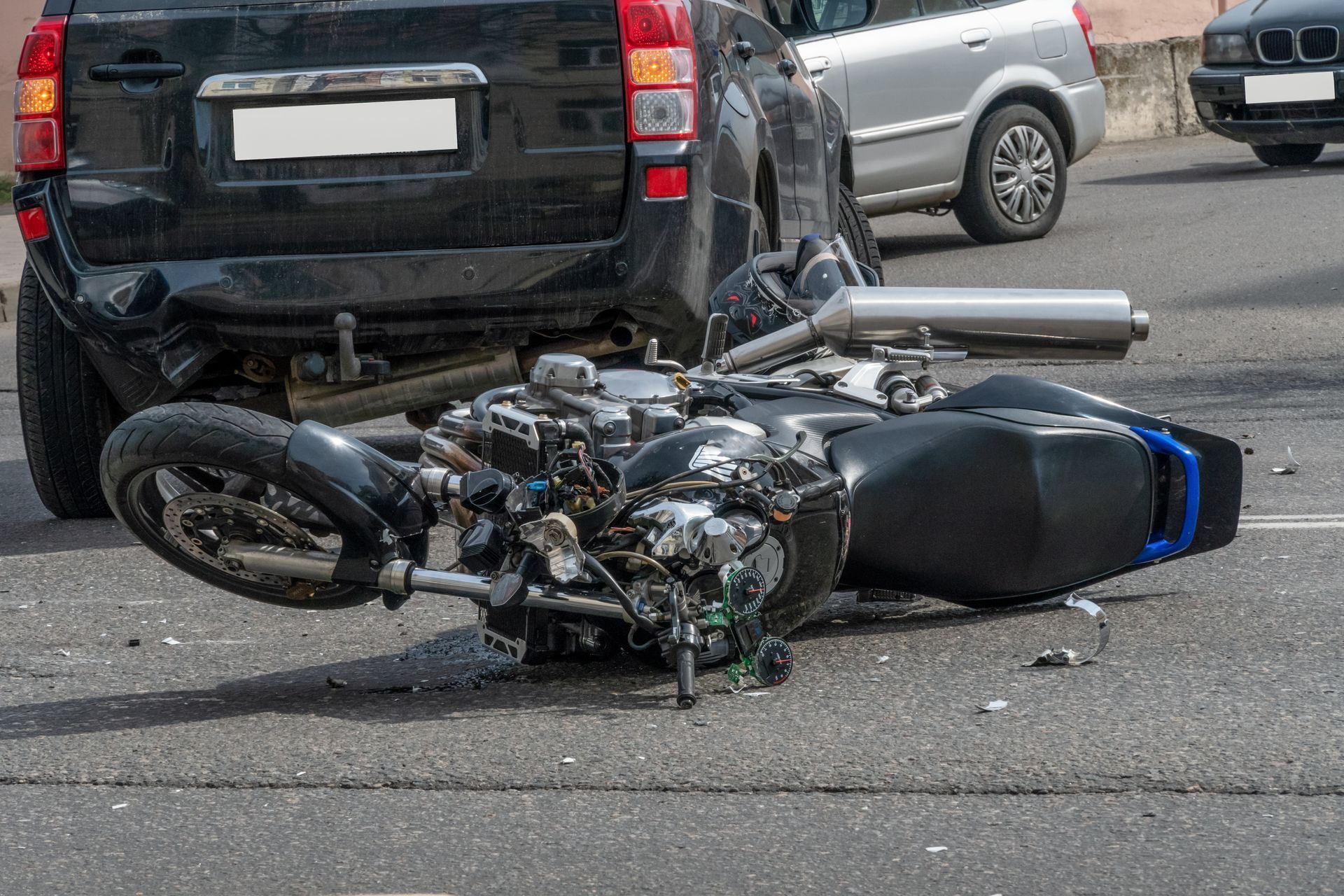
Learn the steps to take after a motorcycle crash and when to call a motorcycle accident lawyer in Lexington, SC. Call Salley Law Firm, P.A. at (803) 356-5000!

Know your rights before filing. A Personal Injury Lawyer at Salley Law Firm, P.A. serving Lexington, SC, offers free consultations and no fee without recovery.
Hurt in an accident? Learn how SC's 51% bar rule affects your claim. Call Salley Law Firm, our personal injury lawyer in Lexington, SC, at (803) 356-5000.
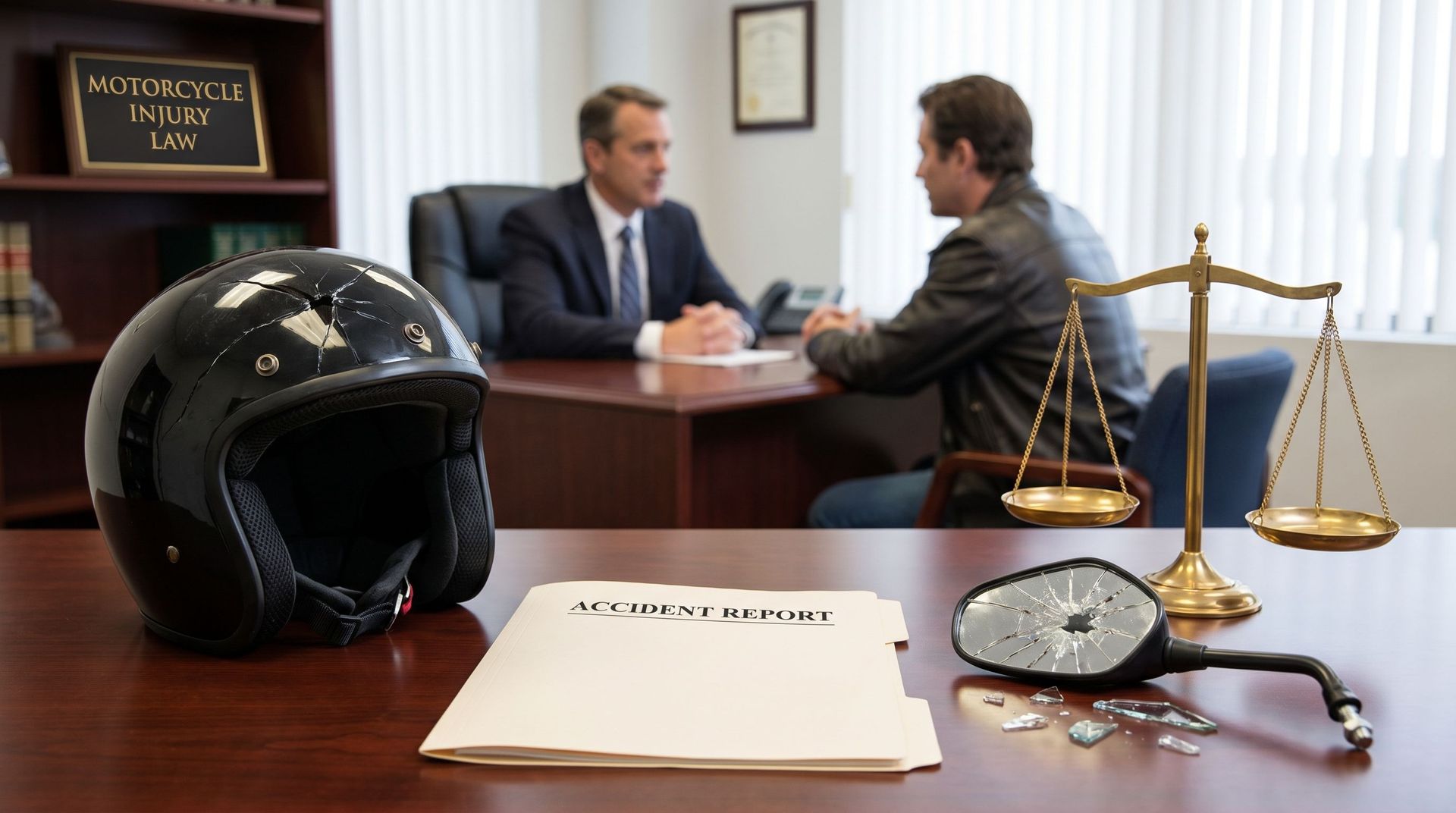
Salley Law Firm, P.A. helps Lexington, SC riders understand when a motorcycle accident lawyer can make a real difference. Free consultation, no fee unless you recover. Call (803) 356-5000.

Hurt at work in Lexington, SC? A workers compensation attorney at Salley Law Firm, P.A. explains workers' comp rules before you file. Click here.
Discover why hiring a personal injury lawyer in Lexington, SC, helps your case. Salley Law Firm, P.A. guides local clients. Click here for expert help!

Contact Salley Law Firm, P.A., your trusted car accident lawyer in Lexington, SC. Contact us today for a free consultation and protect your rights.
Salley Law Firm, P.A. offers expert advice on what to do after a car crash in Lexington, SC. Learn the steps to protect your rights and get the compensation you deserve. Call us now.

Salley Law Firm, P.A. explains when to contact an automobile accident lawyer in Red Bank, SC. Protect your rights and ensure fair compensation. Call us for a consultation today.

Salley Law Firm, P.A. provides expert witness services for auto accident cases in Lexington, SC. Strengthen your claim with professional testimony. Contact us for a free consultation.
